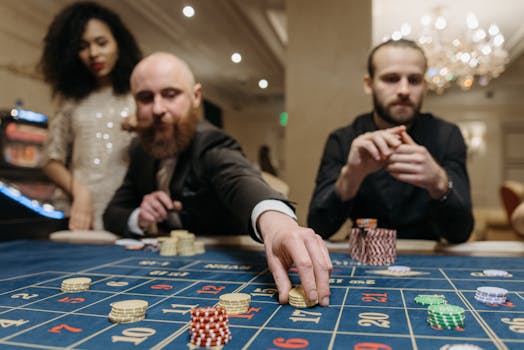
The Intersection of Psychology and Casino Strategy
Casinos have long been centers of excitement, glamour, and risk-taking. Yet, beneath the flashing lights and ringing slot machines lies a fascinating interplay between human psychology and strategic thinking. The way people behave in casinos—and the ways casinos respond—are deeply influenced by psychological principles. Understanding this intersection is crucial not only for players aiming to make smarter decisions but also for casino designers, marketers, and regulators concerned with responsible gaming.
In this article, we’ll explore how psychological factors shape casino strategies, how casinos design environments to influence player behavior, and how knowledge of cognitive biases can empower players to make more rational choices. We’ll also examine the ethical dilemmas that arise when psychology is used to encourage riskier play. By the end, you’ll have a deeper appreciation for the psychological dynamics at play every time the roulette wheel spins or a blackjack hand is dealt.
The Power of the Casino Environment: Designing for Psychological Impact
Walk into any casino and you’ll notice more than just the games. The layout, lighting, sounds, and even scents are carefully curated to shape your experience. In fact, casinos invest millions in design strategies that leverage psychological principles to keep players engaged and spending.
.png)
One classic example is the absence of clocks and windows. By removing cues to the passage of time, casinos encourage players to lose track, staying longer than they might have planned. According to a 2017 study published by the University of Nevada, casino patrons who couldn’t see a clock or window stayed an average of 42% longer than those who could.
Lighting and sound play key roles as well. Bright, dynamic lighting keeps energy levels high, while the regular chimes and jingles of slot machines trigger small dopamine releases, similar to the effects of a near-miss in a video game. Even the carpet patterns are designed to nudge players toward gaming areas and away from exits.
Scent marketing has also become a subtle but effective tool. A 2013 study at the Las Vegas Hilton found that introducing a specific floral scent in the slot machine area increased coin-in drop (the amount wagered) by 45%.
All these elements combine to create an immersive environment that encourages prolonged play—a strategy rooted firmly in behavioral psychology.
Cognitive Biases: How Our Minds Can Sabotage Casino Decisions
No matter how rational a person believes they are, cognitive biases can subtly influence their gambling behavior. Casinos are well aware of these mental shortcuts, and both the games themselves and the surrounding experience are designed to exploit them.
Some of the most common biases at play include:
1. Gambler’s Fallacy: The belief that past outcomes affect future probabilities, such as thinking a roulette wheel is "due" for red after a streak of black. In reality, each spin is independent. 2. The Illusion of Control: Players often believe they can influence random outcomes through skill or rituals, leading to riskier bets, especially in games like craps or slot machines. 3. Near-Miss Effect: Slot machines are programmed to display near-wins more frequently than random chance would dictate. A 2010 study published in the journal Neuron found that near-misses increased players’ desire to continue playing, lighting up the brain’s reward centers almost as strongly as an actual win. 4. Confirmation Bias: Gamblers tend to remember their wins more vividly than their losses, reinforcing the belief that they are luckier or more skilled than they are.Understanding these biases is a vital step for any player hoping to adopt a more strategic and rational approach at the casino.
Game Design: Psychology in the Mechanics
Casino games themselves are not just about luck—they are engineered to maximize player engagement. The psychology behind game design is a sophisticated blend of mathematics, reward systems, and behavioral triggers.
Take slot machines as an example. Modern slots use a combination of variable ratio reinforcement and sensory feedback to keep players hooked. A variable ratio schedule, in which wins are unpredictable but possible on any spin, is the same principle that makes social media and mobile games addictive. According to the American Gaming Association, slot machines account for 70% of the average U.S. casino’s revenue, thanks in large part to their psychological design.
Table games engage players differently. Blackjack, for instance, offers the illusion of control by allowing decisions like hitting or standing, even though the house edge remains. Poker’s strategic depth appeals to players’ analytical and competitive instincts, attracting those who believe skill can overcome chance.
Below is a comparison of psychological triggers used in various popular casino games:
| Game Type | Main Psychological Trigger | Percentage of Casino Revenue (US Avg.) |
|---|---|---|
| Slot Machines | Variable ratio reinforcement, near-miss effect | 70% |
| Blackjack | Illusion of control, social proof | 10% |
| Poker | Competition, skill illusion | 5% |
| Roulette | Gambler’s fallacy, sensory stimulation | 4% |
| Baccarat | Social proof, high-roller status | 8% |
These design elements are not accidental—they are the result of decades of research into human motivation and behavior.
Player Psychology: Emotions, Risk, and Decision-Making
While casino strategies often focus on leveraging psychology, individual players also bring their own mental frameworks to the table. Emotions such as excitement, frustration, and overconfidence can have significant effects on risk tolerance and decision-making.
Research from the National Council on Problem Gambling shows that over 2 million U.S. adults (about 1% of the population) are estimated to meet the criteria for severe gambling problems, with another 4-6 million considered to have mild or moderate issues.
The emotional highs of winning can lead to what’s called “tilt”—a state where players chase losses or make impulsive bets, often increasing risk exposure. Conversely, fear of missing out (FOMO) can drive gamblers to place bigger bets during hot streaks or to continue playing after a big win.
Understanding one’s own psychological profile is crucial for responsible play. Techniques like setting limits, taking regular breaks, and practicing mindfulness have been shown in studies (such as a 2019 Harvard Medical School report) to help players maintain control and avoid falling into negative patterns.
Ethics and Responsibility: Where Should the Line Be Drawn?
The intersection of psychology and casino strategy raises important ethical questions. While it is legal and common for casinos to use psychological tactics to enhance engagement, there is ongoing debate about where entertainment ends and exploitation begins.
Many jurisdictions now require casinos to promote responsible gaming and provide resources for those at risk of addiction. For example, in the United Kingdom, the Gambling Commission mandates self-exclusion programs and visible signage about problem gambling. In Nevada, casinos must contribute to education and treatment efforts, with over $2.5 million allocated annually for responsible gambling initiatives.
Nonetheless, critics argue that certain features—such as excessive near-misses in slot machines or aggressive marketing to vulnerable groups—cross ethical boundaries. The challenge lies in balancing business interests with the well-being of patrons.
Applying Psychology for Smarter Play
Players can benefit from understanding the psychological dynamics at work in casinos. Here are some practical steps:
- Recognize and resist cognitive biases. For example, remind yourself that each roulette spin is truly random, and a losing streak does not make a win “due.” - Set strict limits before entering the casino, both in terms of time and money. Stick to these regardless of wins or losses. - Take regular breaks to reset your mental state and avoid being swept up by the environment. - Seek out games with lower house edges and resist the temptation to chase losses.By applying psychological insights to your own behavior, you can enjoy casino games while minimizing risk.
Conclusion
The intersection of psychology and casino strategy is a rich and complex field, influencing everything from the layout of the gambling floor to the tiniest details of game mechanics. Both casinos and players rely—consciously or unconsciously—on psychological principles that shape decisions, outcomes, and experiences.
Understanding these dynamics can empower you to make more informed choices, appreciate the artistry behind casino design, and recognize the ethical challenges that arise in this high-stakes environment. Whether you are a casual player, a casino enthusiast, or simply curious about human behavior, the marriage of psychology and strategy at the gaming tables offers lessons that extend far beyond the casino walls.