Introduction to Probability in Casino Games
Probability plays a central role in the design and outcome of casino games. Each game, whether it involves cards, dice, or spinning reels, incorporates elements of chance that are quantifiable through probability. This mathematical concept helps players understand the likelihood of various outcomes and is essential in developing effective gaming strategies.
How Probability Works
.png)
Probability measures the likelihood of a specific event occurring and is typically expressed as a ratio or percentage. In casino games, understanding these probabilities helps players assess potential risks and rewards. For example, in a simple dice game, the probability of rolling a specific number (like a six) on a standard six-sided die is 1 in 6, or approximately 16.67%.
Impact of Probability on Popular Casino Games
- Slot Machines
- Random Number Generators (RNGs): Slot machines use RNGs to ensure each spin is independent of the last. The probability of hitting a particular combination of symbols correlates directly to the game's payout structure.
- Return to Player (RTP): The RTP percentage is a crucial figure representing the theoretical payout over a long period. A higher RTP means a better probability of winning over time.
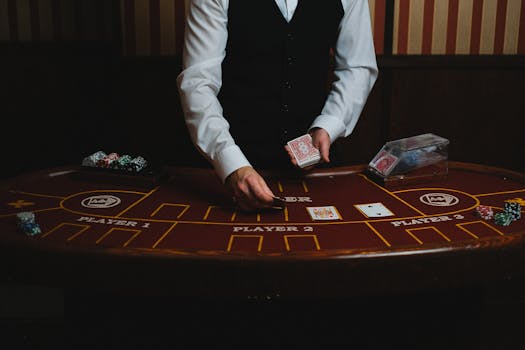
- Blackjack
- Decision-Making: In blackjack, players must decide when to hit, stand, double down, or split, each choice influenced by the probability of potential outcomes.
- House Edge: By using basic strategy, players can reduce the house edge, optimizing their chances based on statistical probabilities of the dealer's hand and the cards left in the deck.
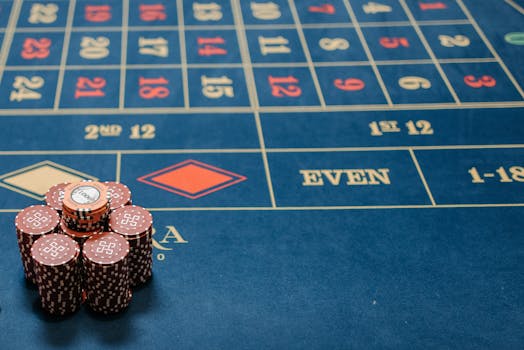
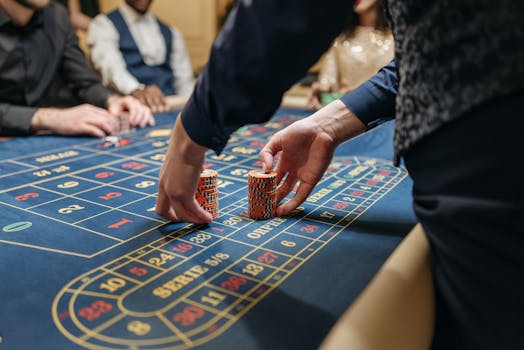
- Roulette
- Bet Types: The probability of winning varies significantly between different bet types. For instance, betting on a single number offers a higher payout but a much lower probability of winning compared to even-money bets like red/black.
- European vs. American Roulette: The presence of a single zero in European roulette compared to the double zero in American roulette affects the probabilities, slightly improving the player's odds in the European version.
Strategies Based on Probability
To effectively use probability in casino strategy, players should consider the following:
- Optimal Betting Techniques: In games like blackjack and roulette, certain betting strategies can be employed to manage risk, such as the Martingale or Fibonacci systems, which involve adjusting bets based on wins and losses.
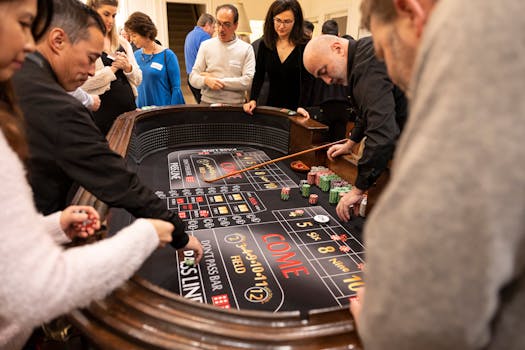
- Game Selection: Choosing games with a lower house edge and better odds is crucial. For example, craps and blackjack typically offer better odds than slots or keno.
- Bankroll Management: Understanding the probabilities helps in setting realistic betting limits and managing bankroll to sustain play and maximize potential wins.
Conclusion: The Power of Probability
While the house edge is a reality in casino games, a robust understanding of probability enables players to enhance their strategies, make informed decisions, and potentially increase their returns. It's important for players to remember that while probability can inform their strategies, it does not guarantee outcomes. Responsible gambling, informed by knowledge of probabilities, is the best approach to enjoying casino games while managing potential risks.