Understanding the Psychological Aspect of Casino Strategy
The world of casinos is often painted with the allure of bright lights, thrilling games, and the tantalizing promise of fortune. But beneath the surface, the real battlefield is not just the gaming table or slot machine—it's the human mind. The psychological aspect of casino strategy is a fascinating, complex, and crucial element that influences nearly every decision a player makes. From the subtle manipulations in casino design to the deep-rooted cognitive biases that shape our behavior, understanding the psychology behind casino play is essential for anyone seeking not only to improve their odds but also to avoid common pitfalls.
This article delves deep into the psychological mechanisms at play within casinos, explores how these impact player decisions, and reveals how an awareness of these can be harnessed for smarter, more responsible gaming.
The Science Behind Casino Design: How Environments Shape Decisions
Casinos are not merely spaces with games—they are meticulously engineered environments designed to keep players engaged and spending. Every aspect, from lighting and sound to layout and scent, is calculated to trigger psychological responses.
.png)
For instance, research shows that the absence of clocks and windows in most casinos disrupts players’ perception of time, encouraging prolonged play. A 2003 study by the University of Nevada, Las Vegas, found that gamblers stayed up to 30% longer in environments without natural light or time cues. Similarly, subtle scent marketing—like a pleasant aroma near slot machines—has been shown to increase machine revenue by as much as 45%, according to a 1995 experiment published in Psychology & Marketing.
Color also plays a significant role. Warm colors such as reds and golds stimulate excitement and energy, while soothing music can create a comfortable, immersive atmosphere that discourages leaving. These environmental cues work together to create a state known as "flow," where players lose track of time and external concerns.
Cognitive Biases: The Hidden Influencers of Gambling Behavior
Casino success isn't just about luck or skill—it's equally about understanding how our brains can deceive us during play. Several cognitive biases frequently impact gamblers, often leading to irrational decisions:
1. Gambler's Fallacy: This is the belief that if something happens more frequently than normal during a given period, it will happen less frequently in the future (or vice versa). For example, after several losses on a roulette wheel, a player might believe a win is "due," despite each spin being independent. 2. Illusion of Control: Many players overestimate their ability to influence random outcomes, especially in games involving some skill or decision-making, like blackjack or poker. A 2010 study in the Journal of Behavioral Decision Making found that players who felt more in control tended to bet more, even when their actual control was minimal. 3. Near-Miss Effect: Slot machines are designed to display near-wins frequently. Brain imaging studies, such as one published in Neuron in 2009, have shown that near-misses activate the same reward centers as actual wins, motivating players to continue playing even after losses. 4. Loss Aversion: People experience the pain of losing more intensely than the pleasure of winning. This bias can cause players to chase losses in hopes of breaking even, often leading to even greater losses.Understanding these psychological traps is key to developing a sound casino strategy and maintaining responsible gambling habits.
Emotions and Decision-Making: The Role of Stress, Excitement, and Fatigue
Casinos are emotional roller coasters. The thrill of a big win, the frustration of a losing streak, and the suspense of high-stakes moments can all cloud judgment. Emotional states, both positive and negative, significantly influence risk-taking and decision-making.
For example, studies have found that players experiencing "hot streaks" often increase their bets, buoyed by overconfidence. Conversely, losing can lead to "tilt," a state of emotional frustration that impairs rational thinking. Research published in the Journal of Gambling Studies in 2016 suggests that emotional arousal—whether from winning or losing—can increase impulsivity and risk-prone behaviors.
Fatigue is another critical factor. Extended play sessions, often encouraged by the casino environment, can lead to impaired concentration and poor decision-making. According to a 2018 report from the National Council on Problem Gambling, individuals who gamble for more than four hours in a single session are 60% more likely to make riskier bets as fatigue sets in.
Recognizing the influence of emotions and physical state on decision-making is a core component of a psychologically sound casino strategy.
Comparing Psychological Strategies: Skill-Based Games vs. Games of Chance
The psychological approach required can differ significantly between skill-based games (like poker or blackjack) and games of chance (such as slots or roulette). Understanding these differences can help players adopt the right mindset and strategies for each type of game.
| Aspect | Skill-Based Games | Games of Chance |
|---|---|---|
| Role of Skill | Strategy and decision-making can influence outcome; players may feel more in control | Results are mostly random; control is minimal or nonexistent |
| Psychological Traps | Overconfidence, illusion of control, emotional tilt | Gambler's fallacy, near-miss effect, chasing losses |
| Emotional Impact | High due to competition and potential for bluffing; wins/losses tied to personal skill | Excitement from randomness; near misses can be especially motivating |
| Best Psychological Strategy | Maintain emotional control, use disciplined decision-making, avoid overconfidence | Set strict limits, recognize randomness, avoid chasing losses |
For skill-based games, managing emotions and maintaining focus are paramount. For games of chance, recognizing the limits of control and understanding the impact of randomness are critical for avoiding psychological pitfalls.
Harnessing Self-Awareness: Mindful Gambling for Better Outcomes
The most effective casino strategies begin with self-awareness. Mindful gambling is the practice of staying present and aware of one’s thoughts, feelings, and behaviors throughout the gaming experience. This approach can counteract many of the psychological traps discussed above.
Key techniques for mindful gambling include:
- Setting time and money limits before starting play, and sticking to them regardless of wins or losses. - Taking regular breaks to reassess emotional state and avoid fatigue-driven mistakes. - Reflecting on motivations for gambling—are you playing for entertainment, stress relief, or to chase losses? - Recognizing when emotions are influencing decisions, rather than rational strategy.According to a 2022 survey by the American Gaming Association, players who practiced mindful gambling were 50% less likely to report problematic gaming behaviors compared to those who did not.
Many casinos now offer tools such as win/loss notifications, session time reminders, and voluntary self-exclusion programs to support mindful play. Utilizing these resources can be a decisive step toward healthier, more enjoyable gambling experiences.
The Power of Social Influence and Peer Dynamics
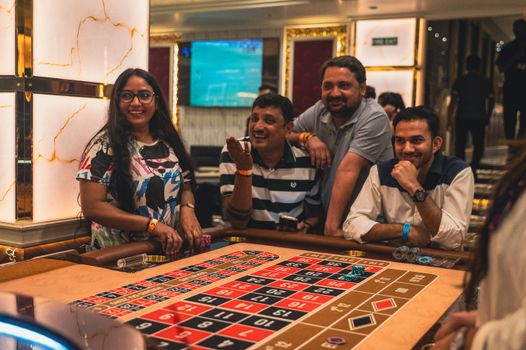
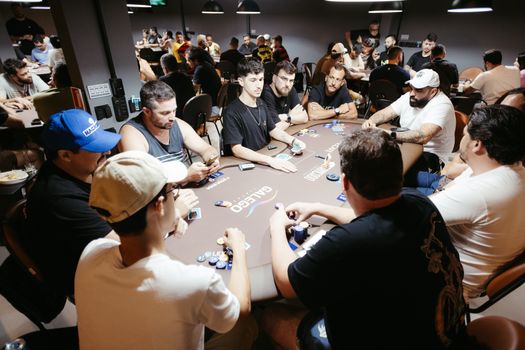
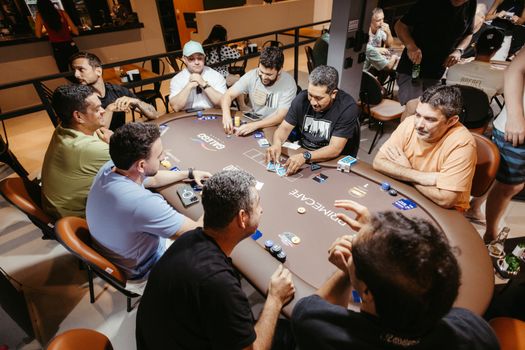
Another psychological factor often overlooked is the role of social influence at the casino. Whether playing at a crowded poker table or spinning slots among friends, the presence and behavior of others can subtly or overtly affect individual decisions.
Social facilitation, a well-documented phenomenon, suggests that people may take greater risks or increase bet sizes in the presence of others, especially when winning. A 2015 experiment from the University of British Columbia found that players betting in groups wagered 26% more on average than those playing alone.
Casinos also leverage social proof—such as displaying big winners or jackpots—to encourage more play. The excitement of seeing others win can lead to the “bandwagon effect,” where people mimic the behaviors of the group, sometimes against their better judgment.
Being aware of these social dynamics can help players make more independent, thoughtful decisions, and avoid being swept up in the crowd mentality.
Final Reflections: Psychology as the Heart of Casino Strategy
Understanding the psychological aspect of casino strategy is just as important—if not more so—than mastering mathematical odds or game tactics. From the engineering of casino environments to the cognitive biases that shape every bet, the mind is both the greatest asset and the greatest vulnerability for casino players.
By recognizing environmental cues, understanding personal biases, managing emotions, and fostering self-awareness, players can develop a more resilient, responsible, and enjoyable approach to casino gaming. Ultimately, the most successful casino strategies are those grounded not only in probability, but also in psychology.