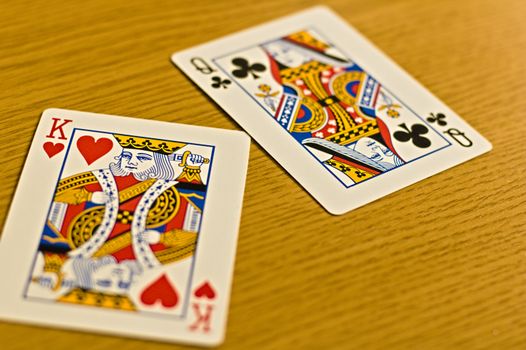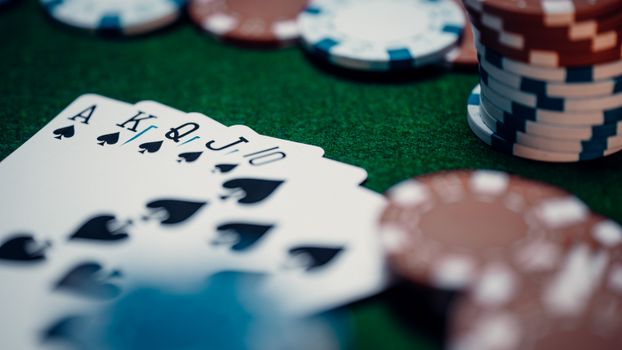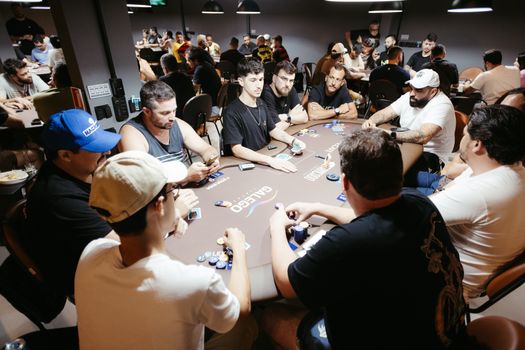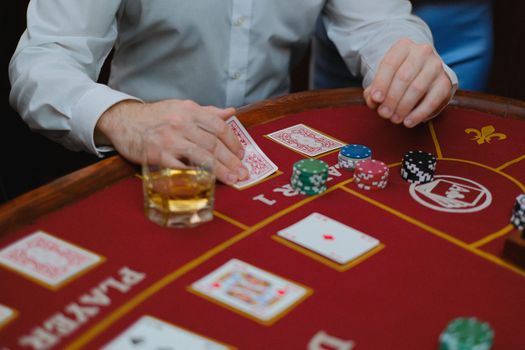
Casinos have long captivated the imagination, blending excitement, risk, and the potential for life-changing wins. Yet beneath the glittering lights and spinning wheels lies a deep, fascinating interplay between mathematical strategy, psychological insight, and the pursuit of mastery. Today’s casino landscape—both online and brick-and-mortar—demands more than luck alone. At the intersection of casino games, strategy, and mastery, players discover a world where knowledge and skill can tilt the odds, foster enjoyment, and even redefine the meaning of winning.
The Evolution of Casino Games: From Pure Chance to Strategic Depth
Historically, casino games were viewed as games of luck—roulette wheels, slot machines, and dice were symbols of pure chance. However, over time, certain games have evolved to reward not just fortune, but also skill and strategy. Blackjack, poker, baccarat, and even some modern slots now offer layers of tactical depth.
A 2023 survey by the American Gaming Association found that 52% of casino visitors sought games where their decisions could impact outcomes. The rise of televised poker tournaments and the proliferation of online gaming platforms have also fueled interest in strategic play.
.png)
For instance, blackjack’s “basic strategy”—a mathematically derived set of decisions—can reduce the house edge from 2% to as little as 0.5%. Poker, particularly Texas Hold’em, is so skill-dependent that in 2010, the International Mind Sports Association recognized it as a “mind sport,” alongside chess and bridge.
Strategy vs. Mastery: Understanding the Difference
Strategy and mastery are often discussed interchangeably, but they represent distinct concepts within casino gaming:
- Strategy refers to the deliberate, calculated decisions players make during a game, often based on probability, game theory, or established guidelines. - Mastery transcends strategy, representing a long-term, holistic command of a game’s nuances, including psychological insight, disciplined bankroll management, and adaptability under pressure.For example, a blackjack player might memorize optimal moves (strategy), but only through thousands of hands, emotional control, and pattern recognition do they achieve mastery. In poker, knowledge of betting odds is just the beginning; true masters read opponents, manage “tilt,” and adjust to shifting table dynamics.
Popular Casino Games: Where Strategy Meets Skill
Not all casino games are created equal when it comes to strategy and mastery. Here’s a comparison of some of the most popular options:
| Game | Role of Strategy | Potential for Mastery | House Edge (Typical) | Key Skills Required |
|---|---|---|---|---|
| Blackjack | High | Very High | 0.5% (with basic strategy) | Math, memory, discipline |
| Poker (Texas Hold’em) | Very High | Extremely High | Player-vs-player, no fixed house edge | Psychology, probability, adaptability |
| Baccarat | Moderate | Moderate | 1.06% (banker bet) | Pattern recognition, bankroll management |
| Roulette | Low | Low | 2.7% (European), 5.26% (American) | Risk assessment |
| Slots | Minimal | Minimal | 2%–15% | Timing, money management |
This table highlights that games like blackjack and poker reward deeper engagement and learning, while roulette and slots remain largely chance-based. The choice of game thus shapes the path toward mastery.
Psychological Mastery: The Unseen Edge
Beyond math and tactics, psychological mastery is often the hidden engine behind successful casino play. Emotional control, patience, and the ability to read other players (in games like poker) can swing results dramatically.
A 2022 study published in the Journal of Gambling Studies found that skilled poker players were 30% less likely to make impulsive bets after a loss compared to novices. This resilience—often called “tilt control”—is a hallmark of mastery.
Casinos themselves are designed to challenge psychological discipline. Everything from lighting to the absence of clocks aims to create a timeless, immersive environment. Master players develop routines to counteract these subtle influences: setting alarms, taking regular breaks, and adhering to strict session limits.
Mental stamina is equally important. Professional poker tournaments can last over 12 hours, demanding sustained attention and emotional equilibrium. In blackjack, card counters must maintain focus for hours while blending in with casual players to avoid detection.
Technology’s Role: Tools for Developing Strategy and Mastery
Modern technology has revolutionized how players approach casino games. Today’s aspiring masters have access to a wealth of resources:
- Online simulators and practice games allow risk-free training - Mobile apps provide real-time strategy advice and odds calculators - Data-tracking software helps poker players analyze hands and spot leaks in their gameFor example, the popular app "PokerStove" allows users to calculate odds for any combination of hands, helping players understand equity in complex scenarios. Meanwhile, blackjack trainers can run thousands of hand simulations per hour, cementing optimal decisions into muscle memory.
Online casinos themselves often include “play for fun” modes, which let users experiment with strategies without risking real money. According to Statista, in 2023 over 60% of online casino players used these modes to hone their skills before playing for cash.
Additionally, streaming platforms like Twitch and YouTube host live sessions from professional players, offering real-time insight into their thought processes. This democratization of expertise helps newcomers accelerate their journey from strategy to mastery.
Mastery Beyond the Tables: Life Lessons from Casino Strategy
The pursuit of mastery in casino games often yields benefits far beyond the casino floor. Strategic thinking, emotional discipline, and risk management are skills with broad applications in daily life, investing, business, and even relationships.
A notable example is the story of professional blackjack player Don Johnson, who in 2011 won over $15 million from Atlantic City casinos. Johnson combined deep mathematical knowledge, psychological insight, and meticulous risk control—not just luck—to achieve this feat. His approach is studied in business schools as a case study in negotiation and strategic play.
Research also shows that regular players who focus on strategy (rather than pure chance) report higher satisfaction and less problematic gambling behaviors. A 2021 UK Gambling Commission report found that strategic players were 40% more likely to set budgets and stick to them, underscoring the value of an informed, disciplined mindset.
In this way, the intersection of casino games, strategy, and mastery becomes a microcosm for personal development—a playground for honing skills that extend well beyond the tables.
Final Thoughts: Embracing the Path to Casino Mastery
The world of casino gaming offers far more than fleeting excitement or the hope of quick riches. At its heart, it’s a field where strategic thinking, psychological insight, and the pursuit of mastery can transform both outcomes and experiences. While luck will always play a role, the deliberate application of strategy—and the ongoing quest for mastery—give players agency, satisfaction, and a deeper connection to the games they love.
Whether you’re a recreational player seeking a richer experience or a serious student striving for excellence, the path to casino mastery is open. With the right approach, the lessons learned at the tables can resonate far beyond the casino, shaping how you approach challenge, risk, and reward in every aspect of life.